Nightingale Lane access tips for Balham removals
If you are planning a move around Nightingale Lane, the access details can make the difference between a smooth moving day and a slightly chaotic one. Balham has plenty of streets that look straightforward on a map, but once a removal van arrives, the practical questions start: where can it stop, how narrow is the turning space, will neighbours still need access, and how long will loading actually take?
This guide to Nightingale Lane access tips for Balham removals is designed to help you think ahead in a sensible, local way. You will find clear steps, common pitfalls, and the kind of practical advice that saves time on the day. It also helps if you are comparing move types, from a compact man and van job to a larger removal services booking or a full family move through home moves. Truth be told, good access planning is often the hidden part of a successful move.
Let's make it simple, useful, and realistic.
Contents
- Why Nightingale Lane access tips for Balham removals matters
- How Nightingale Lane access tips for Balham removals works
- Key benefits and practical advantages
- Who this is for and when it makes sense
- Step-by-step guidance
- Expert tips for better results
- Common mistakes to avoid
- Tools, resources and recommendations
- Law, compliance, standards, or best practice
- Options, methods, or comparison table
- Case study or real-world example
- Practical checklist
- Conclusion
- Frequently asked questions
Why Nightingale Lane access tips for Balham removals Matters
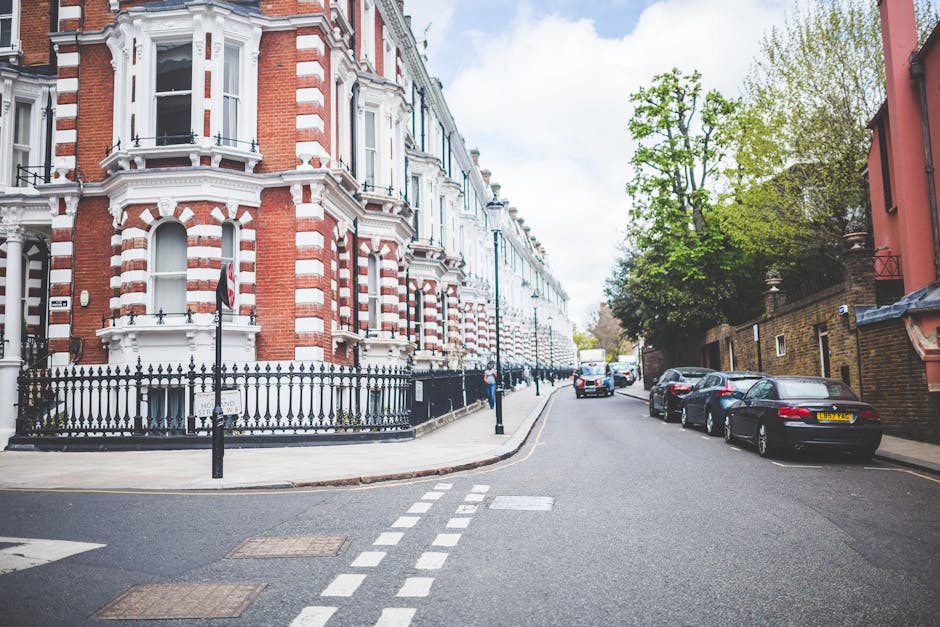
Nightingale Lane sits in a part of Balham where everyday traffic, parked cars, and tight road space can all affect moving day. That does not mean a move is difficult, but it does mean access needs attention well before the first box is carried out. If a van cannot park close enough, every extra metre adds time, effort, and risk.
In practical terms, access matters because removals are built around momentum. A good setup lets movers work in a calm rhythm. A poor setup creates bottlenecks. One person waits for the lift, another is trying to hold a door open, somebody else is carrying a wardrobe through a narrow gap, and suddenly the whole morning slows down. Nobody wants that. Not on a damp Tuesday, certainly not at 8:00 in the morning.
For Nightingale Lane, the main access questions usually come down to curb space, turning room, loading distance, and how easy it is to move items from the property to the vehicle. If you are moving from a flat, especially one with shared entrances or stair access, you may also want to look at flat removals or even packing and unpacking services to keep the process moving.
The better you understand the street, the easier it becomes to choose the right vehicle, the right crew size, and the right time window. That is the real value here.
How Nightingale Lane access tips for Balham removals Works
Access planning is basically a chain of small decisions. First, you work out where the vehicle can realistically stop. Then you look at how the move will flow from front door to van. After that, you decide whether the job needs a smaller vehicle, a larger truck, extra helpers, or an earlier start to avoid traffic pressure. Simple enough on paper, but the details matter.
A typical approach for a Balham move starts with a property check. That might be done by asking for photos, a short video walk-through, or a pre-move call. You want to know things like:
- Is there off-street parking or only roadside parking?
- Can a van stop outside the property without blocking a junction or driveway?
- Is the street one-way, narrow, or busy at peak times?
- Are there steps, a long path, or a shared hallway?
- Will large furniture need disassembly before moving?
Once that picture is clear, the removals plan becomes much more accurate. For example, a move that looks like it needs a large truck may actually work better with a more manoeuvrable removal van plus a longer loading time. On the other hand, if you have a full house of furniture, boxes, and a few awkward items, a bigger vehicle such as a removal truck hire option may be the cleaner choice.
It also helps to think in stages. Stage one is vehicle access. Stage two is property access. Stage three is handling. Stage four is timing. Miss one of those, and the day tends to wobble a bit.
Key Benefits and Practical Advantages
Good access planning does more than save time. It changes the mood of the move. When the crew knows where to park and what to expect, they work more confidently and with fewer interruptions. You feel that difference almost immediately.
- Less carrying distance: If the van can park close, items move faster and suffer less wear.
- Lower risk of damage: Fewer tight turns, fewer awkward lifts, fewer chances to clip a wall or banister.
- Better scheduling: A realistic plan helps avoid overruns and awkward delays.
- Smarter vehicle choice: You do not need to overbook a truck if a smaller vehicle suits the lane better.
- Less stress on moving day: That really is a big one. Calm access tends to lead to a calmer move.
There is also a financial angle. If the access plan is accurate, the quote is usually easier to match to the job. You are less likely to pay for unnecessary time or extra handling, and that matters whether you are booking a one-off move or comparing removal companies for a larger relocation.
And if you are moving items into temporary holding rather than straight into a new home, access planning can also help you decide whether storage is worth using during the transition. Sometimes that middle step is the difference between a rushed day and a manageable one.
Expert summary: On Nightingale Lane, the smartest move is usually the simplest one: confirm where the vehicle can stop, reduce carrying distance, and match the vehicle size to the street rather than forcing the street to fit the vehicle.
Who This Is For and When It Makes Sense
This advice is useful for a few different kinds of movers. If you are in a top-floor flat, in a terraced house with tight frontage, or in a property where parking is already competitive, access planning is not optional. It is central to the move.
It also makes sense if you are:
- moving with children and want the day to finish quickly
- shifting into or out of a Balham flat with shared stairs
- arranging an office move with fixed time windows
- moving bulky furniture, a piano, or fragile items
- trying to book a last-minute or same-day job
- comparing a self-pack move with professional support
Students moving near Balham often benefit from a leaner setup, especially if there are just a few bags, boxes, and furniture basics. In that case, student removals or a flexible man with van arrangement can be more practical than a full-scale truck booking. A small van can sometimes be the calmer choice, even if it feels less dramatic. No one earns points for using the biggest vehicle on the street.
For business moves, access awareness matters just as much. If the property is an office or shared workspace, you may want to plan around deliveries, staff entry, and building rules, which is where office removals or commercial moves become relevant.
Step-by-Step Guidance
Here is a practical way to plan a Nightingale Lane move without overcomplicating it.
- Check the street layout early. Look at the property frontage, nearby parking, and whether a vehicle can stop without creating a problem for traffic flow.
- Measure the awkward bits. Stairs, hallways, door frames, and any tight turns should be checked before moving day. The wardrobe that looks harmless in a bedroom can become a champion at refusing to fit through a stairwell.
- List the large items. Sofas, bed frames, dining tables, wardrobes, exercise equipment, and anything heavy or fragile need special attention.
- Decide on vehicle size. A smaller, more flexible vehicle may suit a narrow access route better than a larger truck. If you are unsure, ask for guidance rather than guessing.
- Pack for fast loading. Keep boxes sealed, labelled, and grouped by room. That saves time when the team starts carrying.
- Protect access points. Put down coverings where needed, keep hallways clear, and make sure doors can be opened safely.
- Confirm timing. Early starts can help avoid traffic pressure. Just make sure the building and neighbours are ready too.
- Share live updates. If something changes, tell the movers before they arrive. A locked gate or surprise delivery can throw off the whole rhythm.
A small tip that helps more than people expect: keep a "first hour" box ready. Put kettle, mugs, keys, chargers, toilet items, and a few basics into one easy-to-reach box. You will thank yourself later, probably before lunch.
If you are also packing from scratch, packing and boxes can save a lot of fiddly supermarket trips and mismatched box sizes. It sounds minor, but the little stuff adds up.
Expert Tips for Better Results
After enough moves, one thing becomes obvious: the best access tips are boring in the best possible way. They reduce surprises. That is the whole game.
Tip 1: Treat parking like part of the move, not a side issue. If the stop point is uncertain, your time estimate is shaky from the start. Plan the parking before you plan the lifting.
Tip 2: Keep the route from front door to vehicle as short and clean as possible. A clear path matters more than many people realise. Shoes, plant pots, bins, and loose rugs all become tiny hazards when you are carrying a mattress down the steps.
Tip 3: Match the crew size to the access conditions. A narrow access point, long carry distance, or multiple flights of stairs may benefit from extra hands. The wrong team size can make a move feel oddly slow, even if everyone is working hard.
Tip 4: Ask about dismantling in advance. Sometimes a bed or table should come apart before the move starts. If not, you can waste precious time trying to solve it on the pavement.
Tip 5: Think about weather. A wet pavement changes everything. Tarps, covers, and good footwear stop the day from becoming slippery and awkward. Balham rain has a habit of arriving with little warning. Classic London behaviour.
Tip 6: Keep the neighbour factor in mind. If a vehicle needs to pause on the street, a quick heads-up to nearby residents can smooth things over. A friendly, calm start often prevents silly complaints later.
For larger or more sensitive items, such as a piano or oversize cabinet, specialist handling is worth considering. A service like piano removals exists for a reason: weight distribution, lifting angle, and route planning all matter more than brute force.
Common Mistakes to Avoid
Most moving problems around access are preventable. The tricky part is that they often feel small until they are not.
- Assuming a van can just "find a space". In a busy residential lane, that is not a plan. It is hope.
- Underestimating carrying distance. Ten extra metres is manageable. Fifty extra metres, in rain, with a sofa? Less fun.
- Not checking building access. Shared hallways, locked doors, narrow staircases, and lift rules can all slow things down.
- Booking the wrong vehicle type. Too small and you need extra trips. Too large and you may struggle with the street layout.
- Leaving packing until the last minute. Loose contents slow the load and create avoidable breakage risk.
- Forgetting about unloading access at the destination. The new place matters just as much as the old one.
One of the most common mistakes is failing to tell movers about awkward items until they are already outside. That is not ideal. It rarely ends in disaster, but it can make the day feel rushed and a bit messy.
If you need extra flexibility because the schedule is tight, it may be worth looking at same day removals. Just be aware that last-minute bookings are much easier to manage when access is already clear.
Tools, Resources and Recommendations
You do not need fancy equipment to get access planning right. You do need a few reliable habits and a sensible shortlist of things to check.
| Tool or resource | Why it helps | Best for |
|---|---|---|
| Phone photos or a short video | Gives a realistic view of parking, steps, and entry points | Remote quotes and pre-move checks |
| Simple room-by-room inventory | Makes it easier to estimate load size and handling needs | House and flat moves |
| Labels and marker pens | Speeds up unloading and keeps the day organised | Families, students, and office teams |
| Protective covers | Helps reduce scuffs in hallways and doorways | Shared buildings and narrow entrances |
| Disassembly tools | Useful for beds, tables, and bulky furniture | Moves with awkward large items |
For people who want a bit more support end to end, it can be worth combining moving help with packing and unpacking services and, where needed, removals planning rather than trying to manage every part alone. There is no prize for making it harder.
If you are comparing support levels, man with a van, man with van, and larger vehicle options all have a place. The right one depends on the size of the job, the street access, and how much lifting you want to do yourself.
Law, Compliance, Standards, or Best Practice
For a move like this, the key compliance issue is usually safe, lawful stopping and loading rather than anything complicated. In London, access and parking considerations are a practical part of the job, so it is wise to avoid blocking driveways, obstructing entrances, or creating unnecessary congestion. The safest approach is always to plan within the real conditions of the street and building.
Best practice also means keeping the work safe for both movers and residents. That includes sensible lifting methods, clear walkways, secure loading, and honest communication about access limits. If the street is tight, it is better to say so early than to force a vehicle into a position that causes problems later.
From a customer point of view, it also helps to review a company's service information carefully. Pages such as insurance and safety, health and safety policy, and terms and conditions can give a clearer picture of how a provider works and how responsibilities are handled. That is not just admin. It is peace of mind.
And because moving involves personal data, payment details, and property access, it is sensible to know how a business handles customer information and payments too. The relevant policies on the site can help with that, without you needing to chase everything by phone.
Options, Methods, or Comparison Table
Different access situations call for different move styles. Here is a simple comparison to help you choose.
| Move option | Best when | Access advantage | Possible drawback |
|---|---|---|---|
| Man and van | Smaller loads, quick local moves | Easy to park and manoeuvre | May need more trips for larger homes |
| Removal van | Medium-sized loads with modest street access | Flexible around narrow roads | Less capacity than a larger truck |
| Removal truck hire | Larger moves with more furniture | Fewer trips needed | Can be harder to position on a tight lane |
| Full removal service | Whole-home or complex moves | Better coordination and handling | May be more than you need for a very small move |
The right choice depends on what you are moving and how the street behaves on the day. If the lane is tight but the load is manageable, a smaller vehicle often wins. If the load is heavy and the property is awkward, a larger planned move may be better even if it takes more thought. That trade-off is normal.
If your move includes collected items or furniture that is not going into the new home, you might also need furniture removals or even furniture pick up to keep the job tidy and efficient.
Case Study or Real-World Example
Here is a realistic example, based on the kind of move people often make in Balham.
A couple living near Nightingale Lane booked a local move from a first-floor flat into a terraced house a short drive away. On paper, it looked straightforward. In practice, the first property had shared stair access, limited waiting space outside, and a street where parked cars narrowed the available stopping room. The second property had a narrow frontage and a small front path.
Instead of booking a large vehicle and hoping for the best, the move was planned around a compact van, an early start, and pre-packed boxes grouped by room. The sofa and bed frame were dismantled before the move. Fragile items were wrapped properly. The team identified where the van could stop without blocking access, then worked in shorter carrying runs rather than trying to push everything through in one marathon load.
The result? Not glamorous, but effective. The move stayed on time. No one got flustered. The hallway stayed clean. The kettle was ready at the new place by late morning, which honestly matters more than people admit.
That is the pattern you see again and again: access planning does not just prevent problems, it makes the whole day feel less heavy.
Practical Checklist
Use this simple checklist before moving day.
- Confirm where the moving vehicle can stop on Nightingale Lane or nearby
- Check for narrow turns, parked cars, or one-way restrictions affecting access
- Measure doorways, stairwells, and any tight internal routes
- List all large, heavy, or fragile items in advance
- Decide whether a smaller van or larger truck suits the street
- Pack boxes securely and label them by room
- Protect floors, corners, and door frames where needed
- Tell movers about lifts, gates, shared entryways, or access codes
- Prepare a first-day essentials box
- Keep your phone charged and available on the day
Quick take: if you can clearly explain the parking, the path to the door, and the size of the load, you are already ahead of most people planning a Balham move.
Get a free quote today and see how much you can save.
Conclusion
Nightingale Lane access tips for Balham removals are really about reducing uncertainty. When you know where the vehicle will stop, how the items will travel, and which parts of the property need extra care, the move becomes far more manageable. That is true whether you are handling a small flat move, a family home, or a business relocation.
The best results usually come from the simplest habits: check access early, choose the right vehicle, keep the route clear, and communicate any awkward details before moving day. Small steps, but they make a big difference. And to be fair, moving is stressful enough without having to improvise parking at the kerb.
If you plan the access properly, the rest has a much better chance of going smoothly. One calm box at a time.
Frequently Asked Questions
What are the most important Nightingale Lane access tips for Balham removals?
The main things are parking, carrying distance, vehicle size, and internal access. If the van can stop close to the property and the route to the door is clear, the move is usually much easier.
Do I need a small van or a large removal truck for Nightingale Lane?
It depends on the load and the street conditions. A smaller vehicle is often better for tight access, while a larger truck works better when the move is substantial and parking allows it.
How can I check if the road is suitable before moving day?
Use photos, a walk-through, or a short video of the frontage, parking space, and entry route. That gives the moving team a much better sense of what to expect.
What if parking outside the property is limited?
If parking is tight, plan for a longer carry or ask whether a more compact vehicle is the better choice. It is often better to adjust the vehicle plan than to force a difficult stop.
Are flat moves on Nightingale Lane harder than house moves?
Not always, but flats can introduce stairs, shared entrances, and longer carrying routes. A planned flat removals approach usually handles those details better.
Should I dismantle furniture before the move?
For large items, yes, if it makes access safer and quicker. Beds, tables, and some wardrobes are much easier to move when broken down in advance.
Can I use storage if my new place is not ready?
Yes, storage can be useful if there is a gap between moving out and moving in. It is especially helpful when access or timing is not lining up neatly.
How early should I book a Balham removal service?
As early as you can, especially if your move involves tight access, larger furniture, or a preferred date. Early booking gives more room to plan the vehicle and handling properly.
What is the best option for a small local move?
For a modest load, a man and van or similar flexible arrangement can be the most practical choice, especially where access is tight.
What should I tell the removals team about Nightingale Lane?
Tell them about parking, narrow sections, gates, stairs, shared entrances, and any bulky items. The more they know in advance, the smoother the day will be.
Do I need special help for a piano or very heavy item?
Yes, specialist handling is sensible for awkward or high-value items. Piano moves in particular benefit from experienced planning and the right equipment.
Can access issues affect my moving quote?
They can. If there is a long carry, difficult parking, or extra handling involved, that may change the time or vehicle needed. A clear description upfront usually gives the fairest quote.
Balham moves are rarely impossible; they just reward a bit of forethought. Get the access right, and the whole day starts to breathe a little easier.